

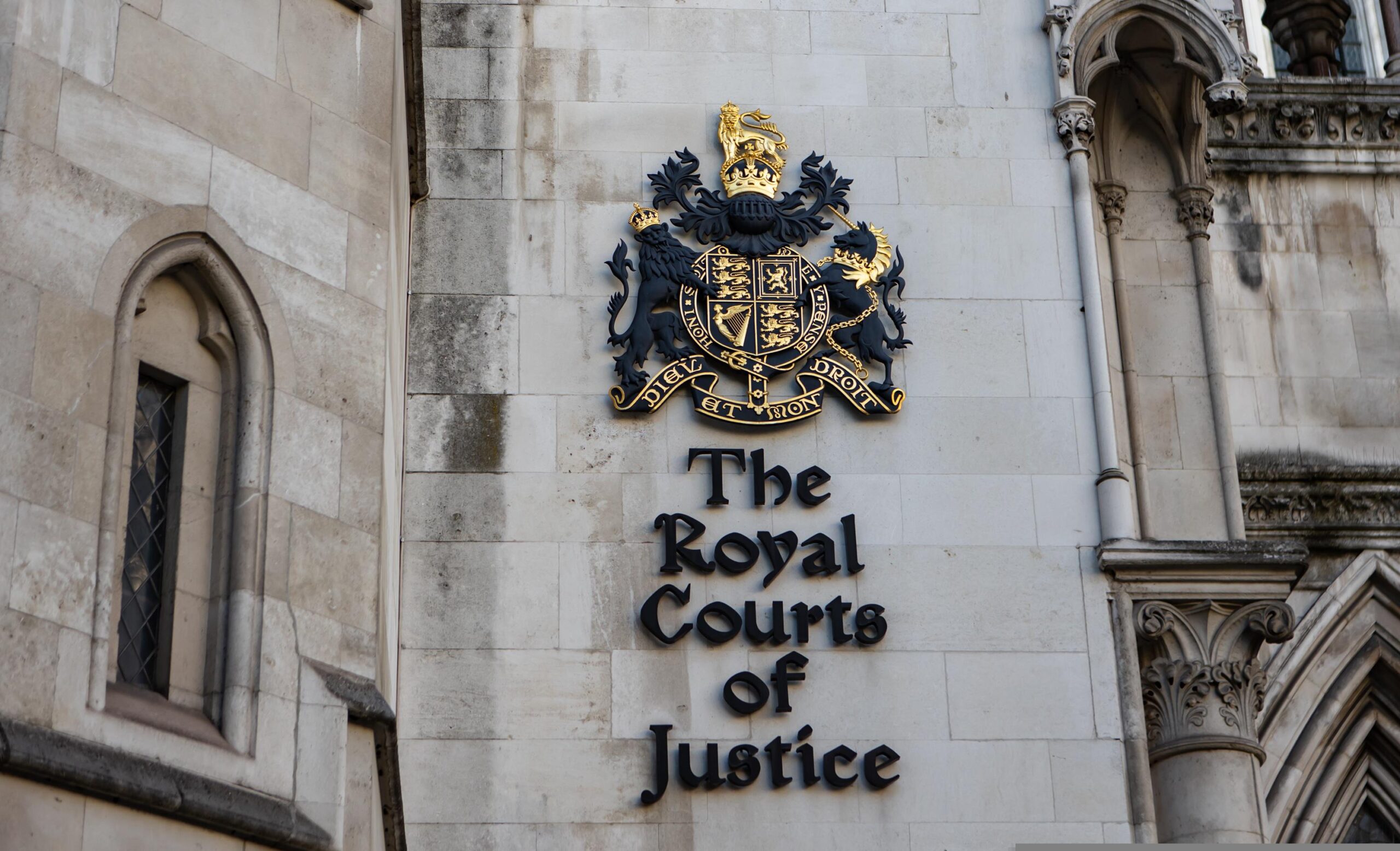
Nationwide CCJ Enforcement by High Court Enforcement Officers
If you have an unpaid County Court Judgment (CCJ), obtaining the judgment is only the first step. Where payment has not been made, you may need to take enforcement action to recover what you are owed.
Eligible CCJs of £600 or more may be transferred to the High Court for enforcement under a Writ of Control, subject to the applicable legal requirements.
Equivo provides CCJ enforcement across England and Wales, managing the process from transfer-up and obtaining the Writ of Control through to compliance and, where required, field enforcement. Clients receive clear case updates and documented evidence throughout, providing greater visibility and control from instruction to outcome.
- CCJ enforcement for eligible judgments of £600 or more
- High Court transfer and Writ of Control support
- Nationwide enforcement across England and Wales
- Body-worn video supporting field evidence and auditability
- Clear case updates throughout the enforcement process
Accredited Enforcement You Can Rely On
Not every enforcement firm operates to the same standard. Ours are independently verified, which means when we act on your behalf, you’re protected by the same rigorous compliance and legal frameworks we’re audited against every year.






What is CCJ Enforcement?
A County Court Judgment (CCJ) confirms that a court has ordered an individual or business to pay money that is owed. However, obtaining a CCJ does not automatically result in payment. If the judgment remains unpaid, the creditor may need to take enforcement action to recover the debt.
For eligible judgments, one option is to transfer the CCJ to the High Court for enforcement under a Writ of Control. This gives authorised enforcement professionals the power to seek payment and, where legally permitted and appropriate, take control of non-exempt goods belonging to the judgment debtor.
At Equivo, CCJ enforcement is carried out under the authority of Nicholas Todd, our Principal Officer and authorised High Court Enforcement Officer. With almost 40 years’ experience in enforcement, Nicholas oversees a nationwide operation supporting creditors across England and Wales.
How to Enforce a CCJ: Step by Step
1.
Provide Your CCJ Details to Equivo for Review
Provide your County Court Judgment details and relevant debtor information. Our High Court Enforcement team reviews the instruction to confirm whether the judgment is eligible for enforcement and identify any information that may affect the next steps.
2.
Transfer Your CCJ to the High Court
Your CCJ is transferred to the High Court and our Transfer Up team works with the Courts to expedite the Writ of Control. Once issued, a Notice of Enforcement is sent to the debtor, detailing the debt and confirming the matter is now proceeding as a High Court Writ.
3.
Compliance Period
Following the Notice of Enforcement, the debtor enters a Compliance Period during which they could address the debt. We keep you updated throughout so you always know where your case stands. If the debt remains unresolved, a High Court Enforcement Officer (HCEO) may be authorised to attend the judgment address.
4.
Attendance by High Court Enforcement Officers
Where authorised, our HCEOs attend the debtor’s premises under the Writ of Control. Outcomes will depend on the individual circumstances of each case, including the debtor’s situation and assets available at the time of attendance.
5.
Payment or Asset Recovery
Where the debt is settled during the Compliance Period or upon officer attendance, enforcement concludes and funds are transferred to your nominated bank account in due course. Where assets are taken into control, any proceeds are applied to the outstanding balance.
6.
Case Closure
Once the matter concludes, we will be in touch to confirm the outcome. Where full recovery has not been possible, we will contact you so you can consider how you wish to proceed.
If you do not already have a County Court Judgment (CCJ), High Court Enforcement cannot be used. To begin a money claim online, please visit GOV.UK – Make a court claim for money.
Why Equivo is Trusted for CCJ Enforcement
Every CCJ enforcement case at Equivo is managed under the personal authority of Nicholas Todd, one of England and Wales’ most experienced High Court Enforcement Officers, with almost 40 years in the sector and nationwide jurisdiction granted by the Ministry of Justice.

Proven Recovery Outcomes
Equivo’s structured approach focuses on maximising CCJ recovery while remaining compliant, increasing the likelihood of success even in complex cases.

Client-Focused Support
Clients have a dedicated point of contact who provides updates and guidance at every stage, helping them understand the CCJ enforcement process and make informed decisions.
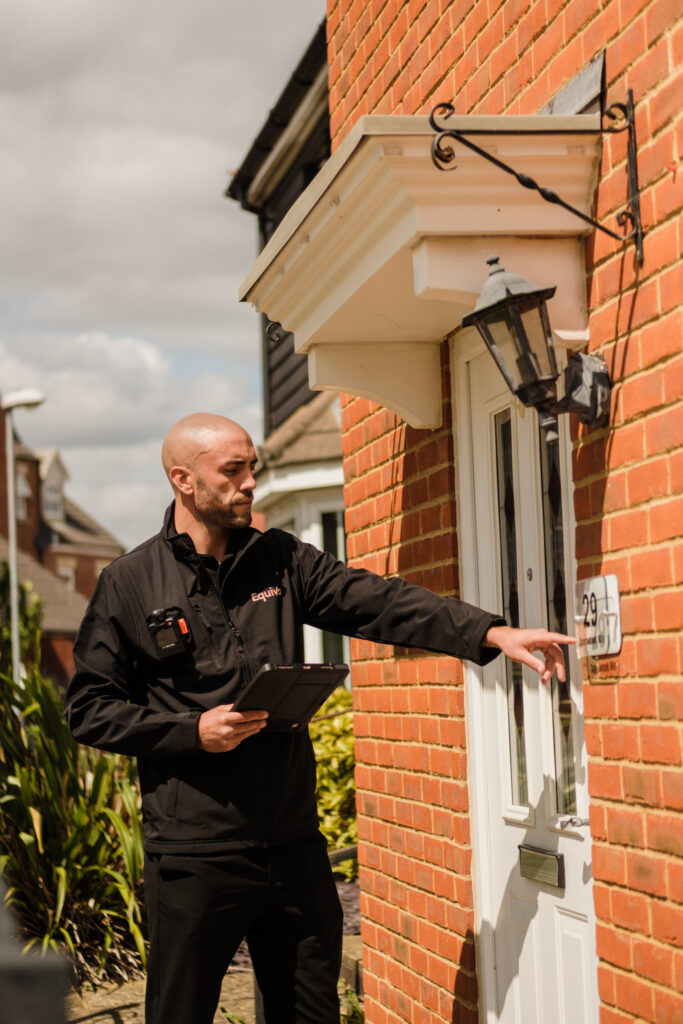
Experienced High Court Enforcement Officers (HCEOs)
Our HCEOs specialise in High Court CCJ enforcement, handling cases safely, professionally, and in full accordance with the law.

Legal Authority to Recover Debts
All enforcement is carried out under High Court authority via a Writ of Control, giving officers the legal power to recover debts efficiently and safely.

Ethical and Compliant Practices
All enforcement actions are conducted in line with Civil Procedure Rules and regulatory standards, ensuring ethical, transparent, and enforceable debt recovery.

Transparent Costs and Recovery
Court fees and enforcement costs are recoverable from the debtor wherever possible, and our transparent approach ensures clients know what to expect financially throughout the process.
Client Reviews
98%
Debt Recovered in Full
95%
Writs Enforced on First Visit
92%
Payments Secured in 30 Days
97%
Client Satisfaction Rate


Is Your County Court Judgment Eligible for Enforcement?
CCJ enforcement is used by businesses, solicitors and individual creditors who hold an unpaid County Court Judgment of £600 or more. A CCJ may be enforced through the High Court if it meets certain legal requirements. Ensuring eligibility early is important to guarantee that the enforcement process is compliant, efficient and carried out within the legal framework. Eligible CCJs generally meet the following criteria:
- Total debt exceeds £600, including any applicable court costs
- Payment has not been made as required by the court
- Debt is not regulated by the Consumer Credit Act (CCA)
- Judgment is less than six years old, in line with limitation periods for enforcement
FAQs on Enforcing a CCJ
How do I enforce a CCJ?
To enforce a County Court Judgment (CCJ), the judgment can be transferred to the High Court, allowing our High Court Enforcement Officers (HCEOs) to take action. This includes issuing a Notice of Enforcement (giving the debtor 14 clear days to pay) and, if necessary, attending the debtor’s premises to recover the debt. You can start the process by instructing us online or calling 020 7788 8484. For a detailed guide, see our full resource on how to enforce a CCJ.
How long does CCJ enforcement take?
The timeline for High Court enforcement varies by case. Transferring the CCJ to the High Court typically takes 10–14 days, the Notice of Enforcement allows 14 clear days for payment, and enforcement visits follow if the debt remains unpaid. Many judgments are fully enforced within a few weeks, though more complex cases may take longer.
How much does it cost to transfer a CCJ to the High Court?
The transfer itself is free and usually takes 10–14 days. Issuing a Writ of Control carries a court fee of £82 (no VAT) payable to HMCTS. A statutory instruction fee of £79 plus VAT (£15.80) also applies. If enforcement is unsuccessful, a compliance fee of £94.80 applies. Where possible, all fees are recoverable from the debtor.
How do you enforce a judgment against a company?
For corporate CCJs, a warrant of execution can be obtained. Our HCEOs may then seize assets of value owned by the company to recover the debt. All actions are conducted in full compliance with the High Court enforcement framework, ensuring legal authority and safe recovery.
When can I enforce a judgment?
Enforcement must generally begin within six years of obtaining the judgment. Once enforcement has started within this period, further actions can continue beyond six years if required. This aligns with statutory limitation periods under English law and ensures actions remain legally valid.
Can I enforce a CCJ if the debtor lives abroad?
Yes, some foreign judgments can be enforced in England and Wales, provided they are recognised under English law. Our team assesses each case to confirm whether the judgment is enforceable and advises on the best approach.
Can all debts be enforced through a CCJ?
No. Debts regulated by the Consumer Credit Act (CCA), or those that have already been fully paid, cannot be enforced through High Court CCJ procedures. Our experts review your judgment to confirm eligibility.
What happens if the debtor refuses to pay after enforcement starts?
If the debtor does not comply after the Notice of Enforcement, our HCEOs can take legally permitted steps, such as seizing assets, arranging voluntary payment agreements or other enforcement actions under High Court authority. Every action is documented to ensure compliance and accountability.
How much does CCJ enforcement cost?
Equivo’s fees for High Court enforcement are statutory, set by the Taking Control of Goods (Fees) Regulations 2014. Crucially, our fees are typically recoverable from the debtor, making the process cost-neutral for you in most cases. Our fees are deducted from the sums we collect, as and when we collect them, meaning there is no upfront cost to instruct us.
Other Enforcement Services

Foreign
Judgments
Enforce overseas judgments through the High Court.

Commercial Rent Arrears Recovery
Recover unpaid commercial rent without going to court.
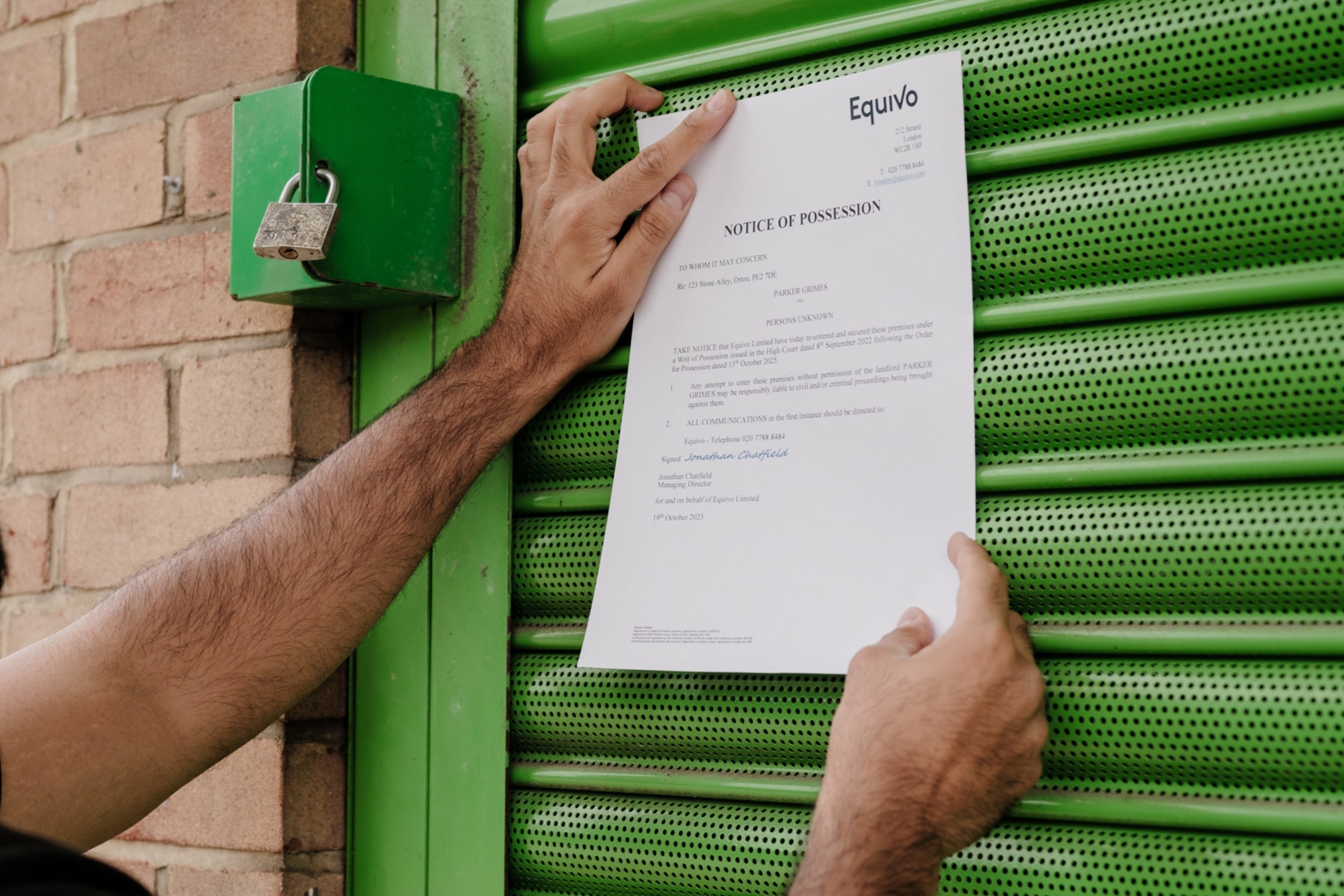
Commercial
Forfeiture
Regain possession of your commercial property.
Process
Serving
Legally serve court documents nationwide.
Enforce your CCJ with Confidence
Put your case in safe hands with Equivo
Award Winning Service
Fast Enforcement
Fully Compliant
Proven Results